
How To Move Lightroom Catalog
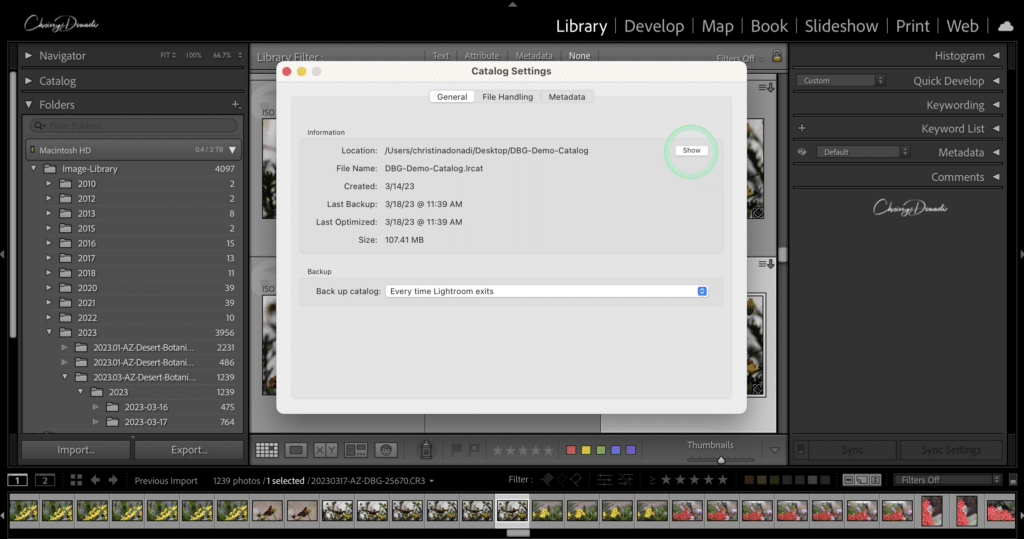
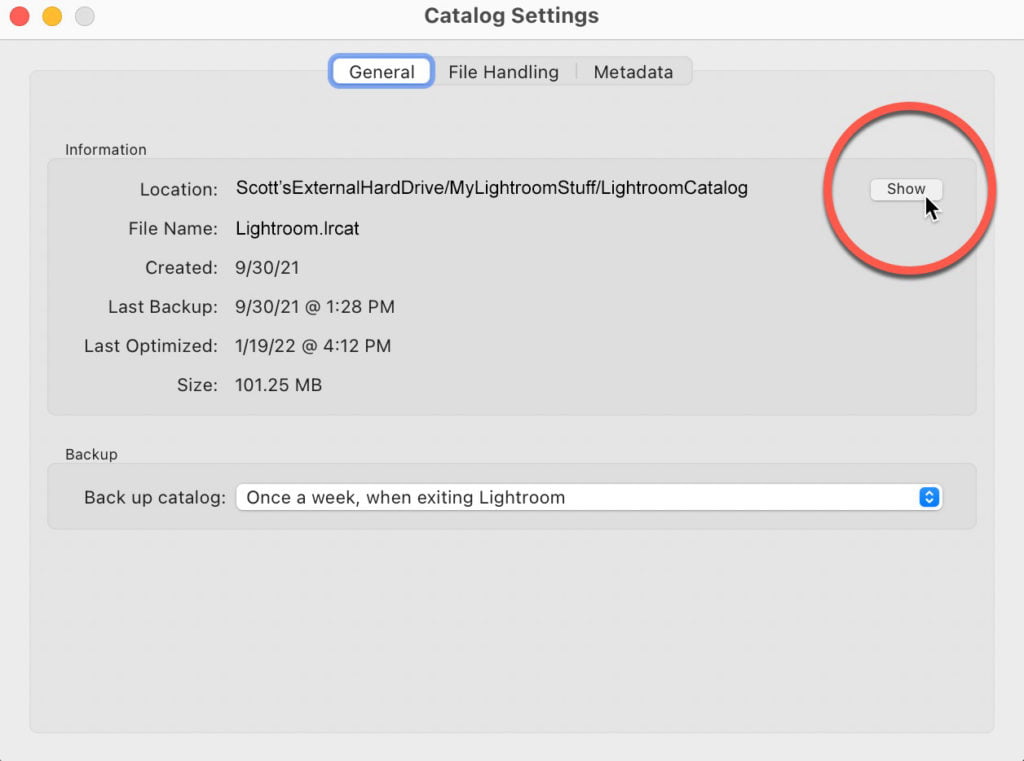
How To Move Lightroom Catalog - There are a couple of steps you need to follow to change the lightroom catalog location: To find your catalog, go to lightroom > catalog settings… > general. Moving photos to an external drive or any new drive has to be done within lightroom to avoid. In this article, i'll share two techniques for moving and relinking images. Check in the lightroom classic preferences that the catalog to open is set to. The simplest way to do it is to drag/drop folders in the library module in the left. When it comes to migrating the actual lrc catalog i advocate creating a copy of. By moving your lightroom catalog to an external hard drive, you can free up valuable space on your computer while still having access to your entire photo collection. Follow these steps and you will be able to pick up right where you left off with your old machine. Learn how to move or copy your lightroom catalog to a new location, and what. Check in the lightroom classic preferences that the catalog to open is set to. In lightroom, go to file > export as catalog. In this article, i'll share two techniques for moving and relinking images. To find your catalog, go to lightroom > catalog settings… > general. Follow these steps and you will be able to pick up right where you left off with your old machine. The simplest way to do it is to drag/drop folders in the library module in the left. Copy the lightroom 5 catalog.lrcat (or whatever name you’ve given to your particular catalog) file onto a usb thumb drive. Moving photos to an external drive or any new drive has to be done within lightroom to avoid. When it comes to migrating the actual lrc catalog i advocate creating a copy of. There are a couple of steps you need to follow to change the lightroom catalog location: Follow these steps and you will be able to pick up right where you left off with your old machine. Here are the key steps to transfer your lightroomclassic catalog, image files,. No expensive packagespay as you golocal tutorsbook today If you’re ready to move your lightroom catalog, here are the four easy steps to follow: One of the main. By moving your lightroom catalog to an external hard drive, you can free up valuable space on your computer while still having access to your entire photo collection. If you’re ready to move your lightroom catalog, here are the four easy steps to follow: Moving photos to an external drive or any new drive has to be done within lightroom. In lightroom, go to file > export as catalog. Locate and copy your lightroom catalog. Copy the lightroom 5 catalog.lrcat (or whatever name you’ve given to your particular catalog) file onto a usb thumb drive. When it comes to migrating the actual lrc catalog i advocate creating a copy of. Learn how to move or copy your lightroom catalog to. No expensive packagespay as you golocal tutorsbook today Locate and copy your lightroom catalog. Learn how to move or copy your lightroom catalog to a new location, and what. To find your catalog, go to lightroom > catalog settings… > general. Since i started using lightroom, i have migrated my lightroom catalog at least four times. There are a couple of steps you need to follow to change the lightroom catalog location: Locate and copy your lightroom catalog. Since i started using lightroom, i have migrated my lightroom catalog at least four times. Copy the lightroom 5 catalog.lrcat (or whatever name you’ve given to your particular catalog) file onto a usb thumb drive. Follow these steps. When it comes to migrating the actual lrc catalog i advocate creating a copy of. Copy the lightroom 5 catalog.lrcat (or whatever name you’ve given to your particular catalog) file onto a usb thumb drive. Moving photos to an external drive or any new drive has to be done within lightroom to avoid. Locate and copy your lightroom catalog. In. To find your catalog, go to lightroom > catalog settings… > general. The simplest way to do it is to drag/drop folders in the library module in the left. By moving your lightroom catalog to an external hard drive, you can free up valuable space on your computer while still having access to your entire photo collection. Learn how to. Check in the lightroom classic preferences that the catalog to open is set to. Locate and copy your lightroom catalog. Copy the lightroom 5 catalog.lrcat (or whatever name you’ve given to your particular catalog) file onto a usb thumb drive. Learn how to move or copy your lightroom catalog to a new location, and what. Moving photos to an external. Copy the lightroom 5 catalog.lrcat (or whatever name you’ve given to your particular catalog) file onto a usb thumb drive. In this article, i'll share two techniques for moving and relinking images. To find your catalog, go to lightroom > catalog settings… > general. If you’re ready to move your lightroom catalog, here are the four easy steps to follow:. Check in the lightroom classic preferences that the catalog to open is set to. Copy the lightroom 5 catalog.lrcat (or whatever name you’ve given to your particular catalog) file onto a usb thumb drive. Here are the key steps to transfer your lightroomclassic catalog, image files,. No expensive packagespay as you golocal tutorsbook today Follow these steps and you will. One of the main advantages of storing your lightroom catalog on an external hard drive is the increased storage capacity. Moving photos to an external drive or any new drive has to be done within lightroom to avoid. Since i started using lightroom, i have migrated my lightroom catalog at least four times. Learn how to move or copy your lightroom catalog to a new location, and what. The simplest way to do it is to drag/drop folders in the library module in the left. There are a couple of steps you need to follow to change the lightroom catalog location: Copy the lightroom 5 catalog.lrcat (or whatever name you’ve given to your particular catalog) file onto a usb thumb drive. Check in the lightroom classic preferences that the catalog to open is set to. Locate and copy your lightroom catalog. In lightroom, go to file > export as catalog. Follow these steps and you will be able to pick up right where you left off with your old machine. In this article, i'll share two techniques for moving and relinking images. If you’re ready to move your lightroom catalog, here are the four easy steps to follow: No expensive packagespay as you golocal tutorsbook today Helen bradley explains how to successfully move lightroom files and a catalog to a new disk.
How To Move A Lightroom Catalog — Scott Davenport Photography
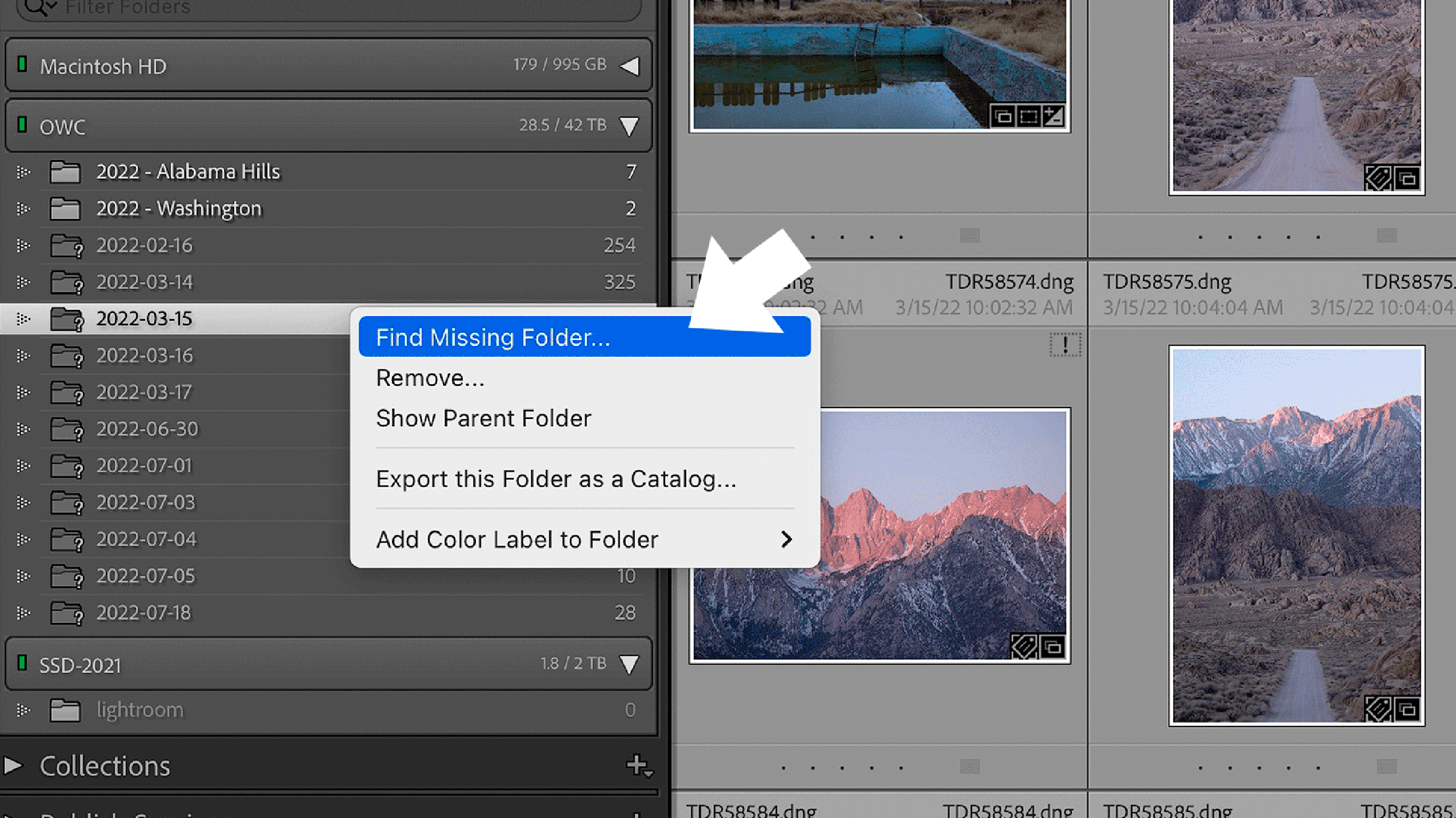
How to move a Lightroom Classic catalog to a different drive
(1).jpg)
How to Move Lightroom Catalog for Beginners
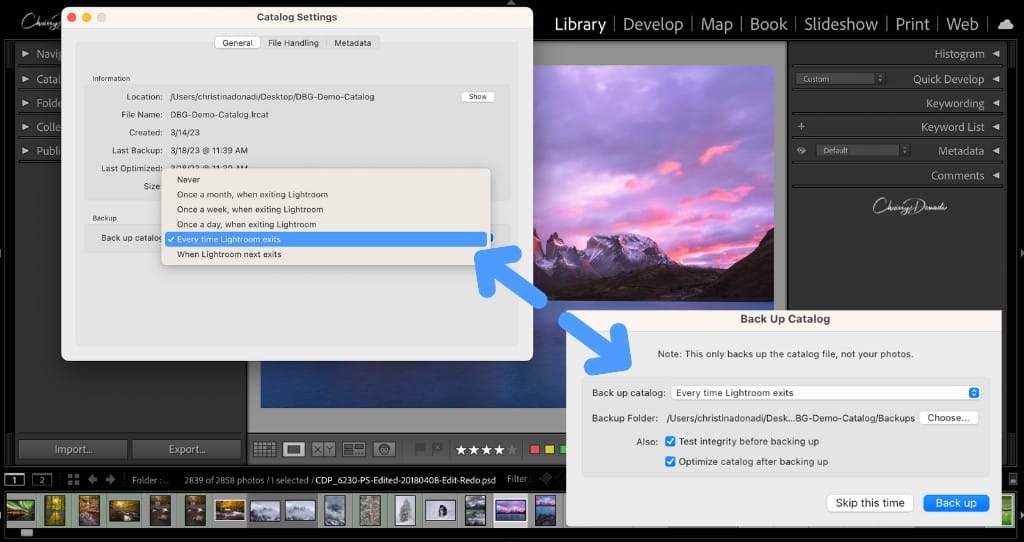
How to Move Your Lightroom Catalog From an External Drive Back to Your
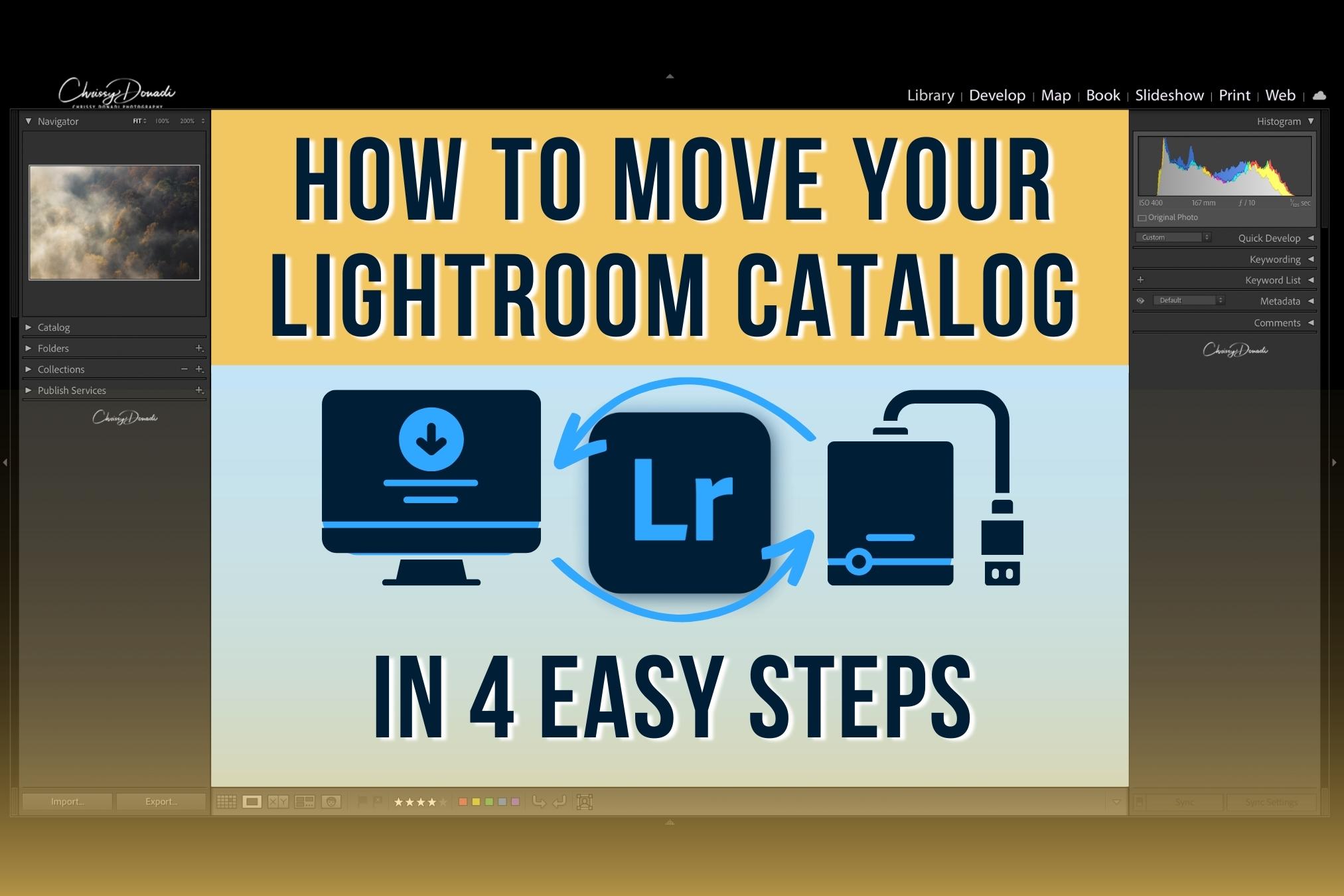
How to Move Your Lightroom Catalog From an External Drive Back to Your
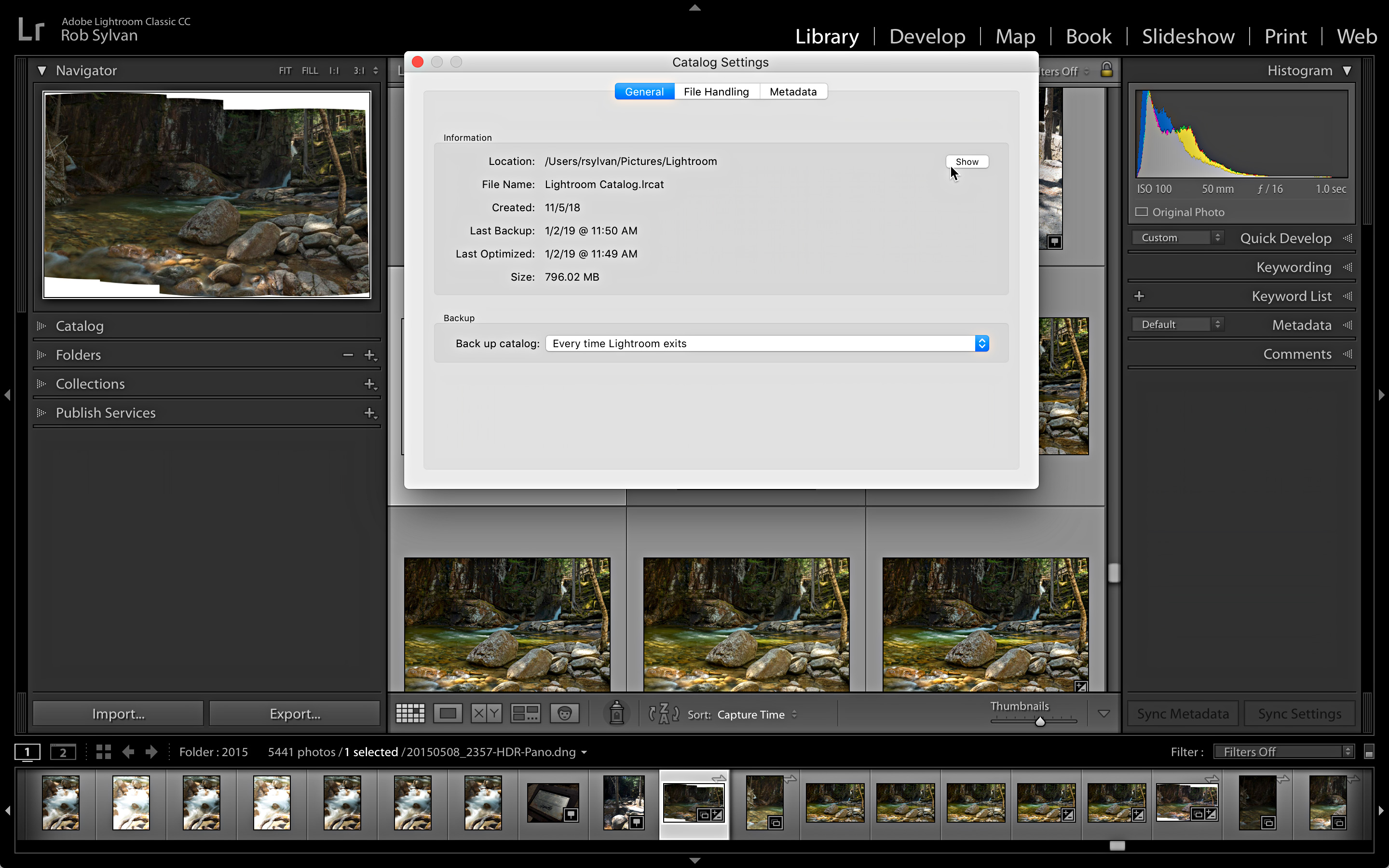
Moving Your Classic Catalog to a Different Drive Lightroom Killer Tips

How to move your lightroom catalog YouTube
How to Move Your Lightroom Catalog From an External Drive Back to Your
How To Move Your Lightroom Catalog From An External Drive Back to Your
(1).jpg)
How to Move Lightroom Catalog for Beginners
Here Are The Key Steps To Transfer Your Lightroomclassic Catalog, Image Files,.
By Moving Your Lightroom Catalog To An External Hard Drive, You Can Free Up Valuable Space On Your Computer While Still Having Access To Your Entire Photo Collection.
To Find Your Catalog, Go To Lightroom > Catalog Settings… > General.
When It Comes To Migrating The Actual Lrc Catalog I Advocate Creating A Copy Of.
Related Post: